MaxBot separates implementation, compilation, simulation, and physical validation. Nothing below is a claim of hardware behavior unless it is marked hardware-verified.
hardware-verified
Physical display bring-up
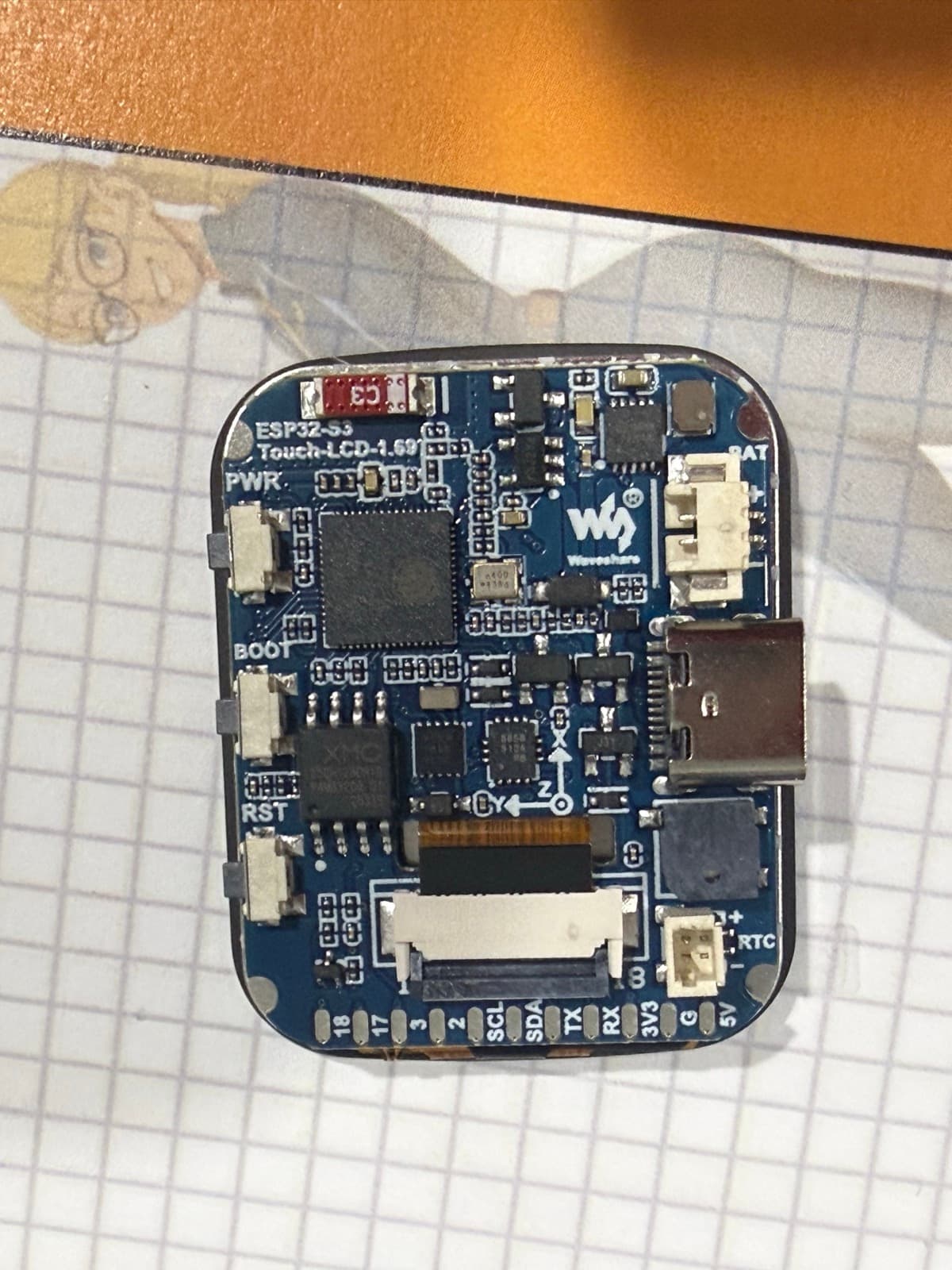
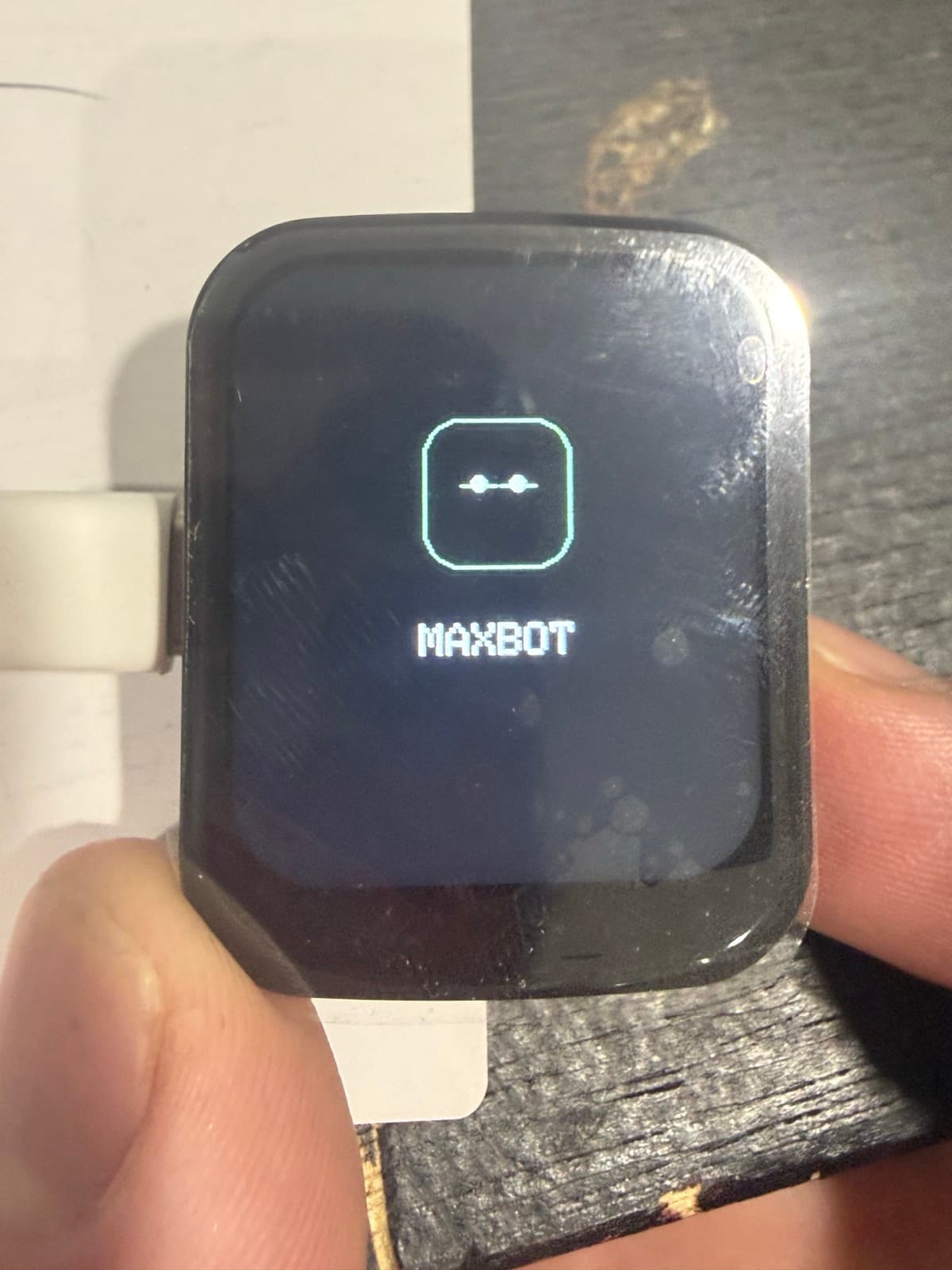
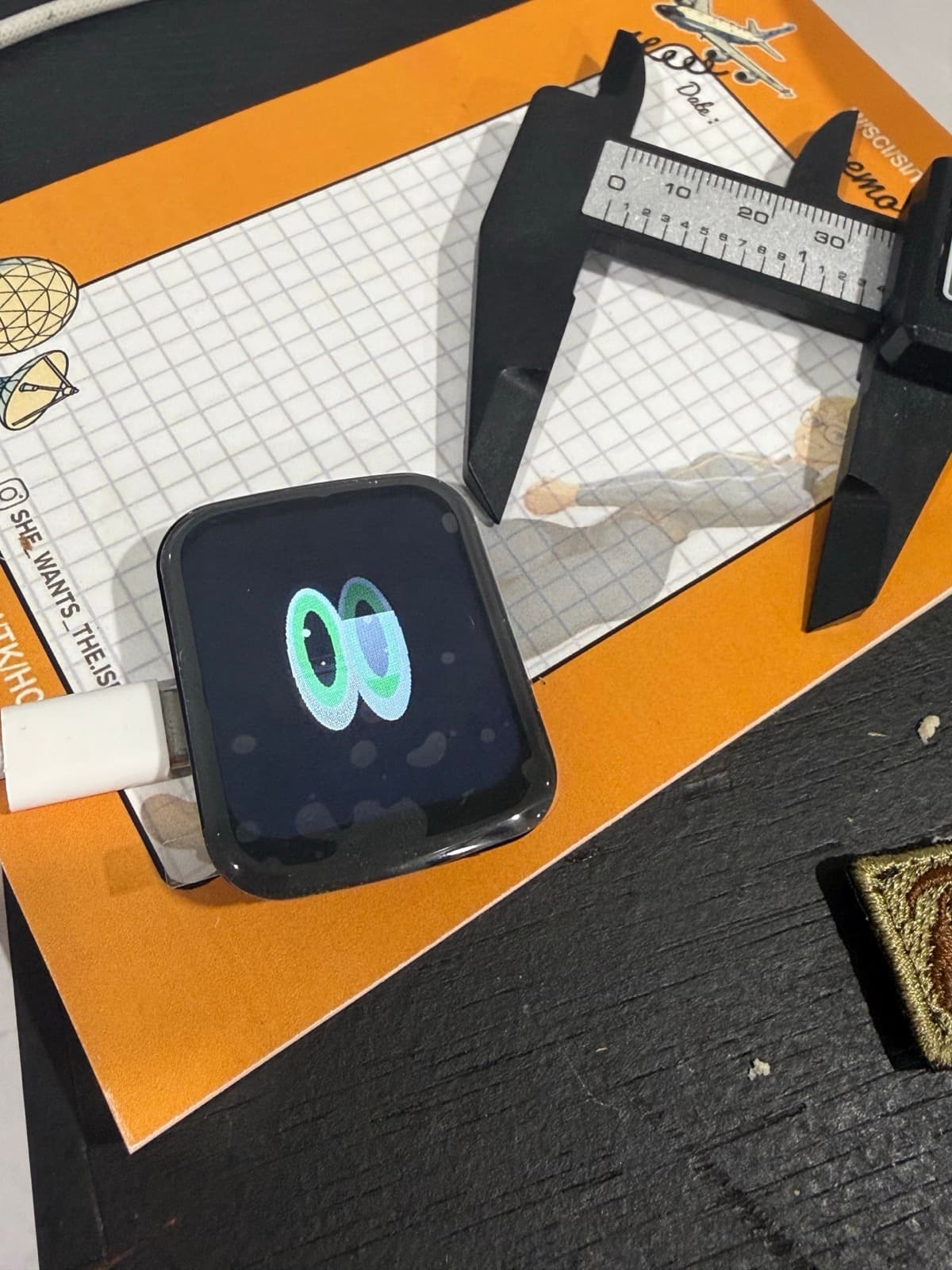
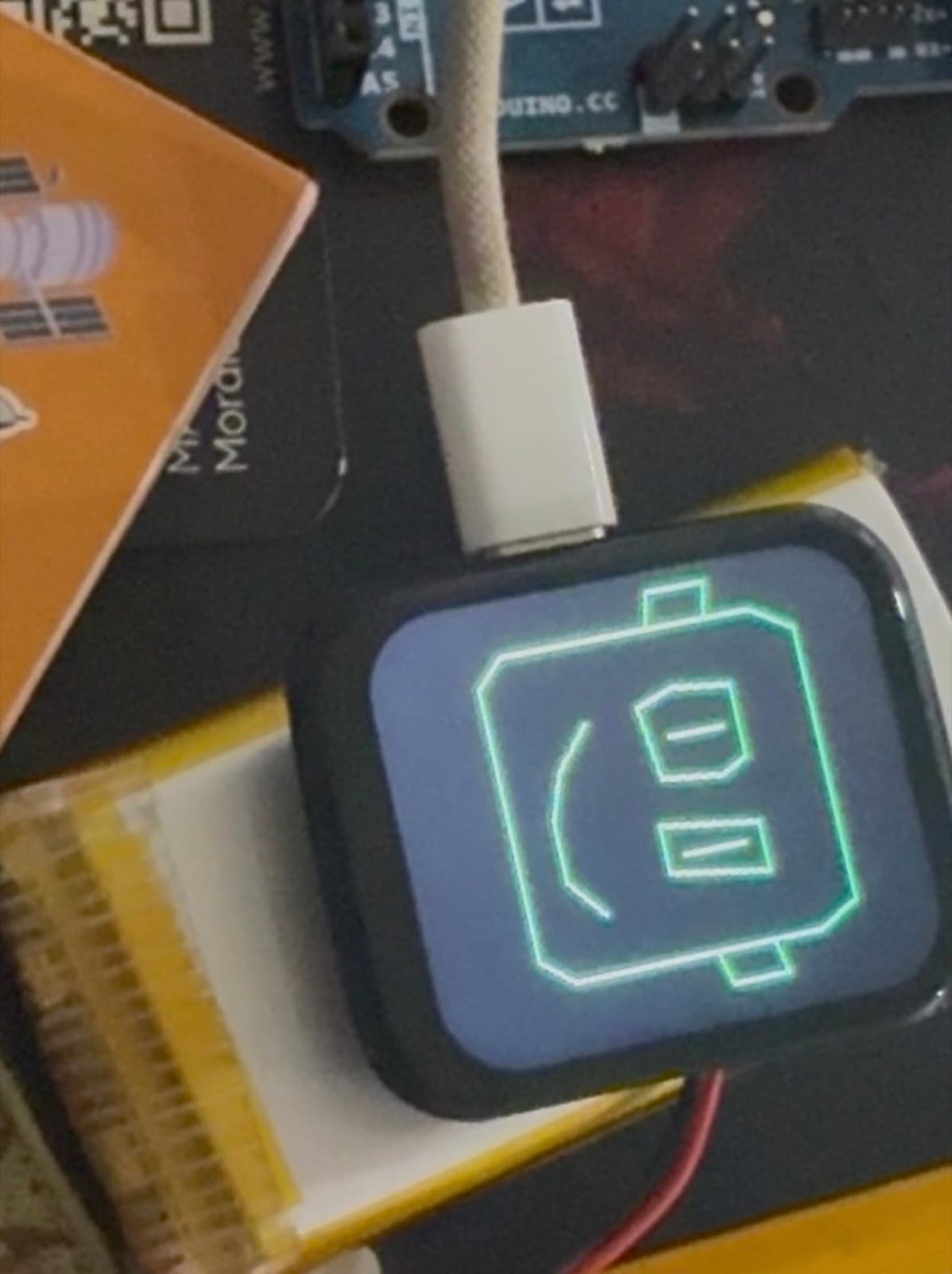
Bench photos show the identified Waveshare board powered over USB-C and rendering MaxBot boot, face, and icon output. This evidence does not yet verify touch, IMU, RTC, buzzer, battery or power-latch behavior, Wi-Fi, OTA, or enclosure fit.
implemented
Interaction + startup pass
Source now includes a first-run eye-color choice, an original boot sequence, a forehead-petting response, three-impulse dizzy protection, and a shorter 40-second drowsy / 60-second sleep cycle. This work has not yet been compiled or run on the board.
implemented
Local care + recovery pass
Source now includes an icon-only learning menu, battery power-latch setup, automatic return to local Wi-Fi setup after a failed join, a USB Wi-Fi-reset image, and paired local update routes. These flows are source implementation only until compiled and physically tested.
compiled
Earlier ESP32-S3 firmware baseline
PlatformIO previously compiled the explicit Waveshare target. Today’s source changes require a new compilation; neither result is hardware validation.
simulator-verified
Existing browser labs
The browser face and behavior labs remain review tools for their documented model. They do not yet verify today’s new on-device interactions.
simulator-verified
V1 Sandbox
Virtual time, local persistence/reboot, offline state, battery-protection behavior, and deterministic scenario tests run in the browser without device telemetry.
planned
Physical bring-up
Display, touch, IMU, RTC, buzzer, battery, PSRAM, Wi-Fi provisioning, persistence, and OTA recovery require an actual board.
planned
Portfolio launch gate
Production status requires measured bring-up evidence, device photos/video, and recorded acceptance results.
Physical evidence · August 22
The first pixels are real.
These photos document the physical board and USB-powered display. They are intentionally shown as evidence of display bring-up—not proof of the untested peripherals or battery path.
Board identifiedBoot renderFace renderIcon render
Hardware acceptance matrix
Required before a production claim.
USB boot, display, PSRAM, I2C device detection, and serial evidence.
Touch, IMU, buzzer, battery calibration, sleep/wake, and local persistence.
Offline operation, safe provisioning/reset, short-lived developer access, and OTA recovery.
Device assembly imagery, bill of materials, safety checklist, and end-to-end demo.